Electropolishing as a Solution for Stainless Steel in Harsh Environments
Understanding Electropolishing and Its Benefits for Stainless Steel
What is Electropolishing?
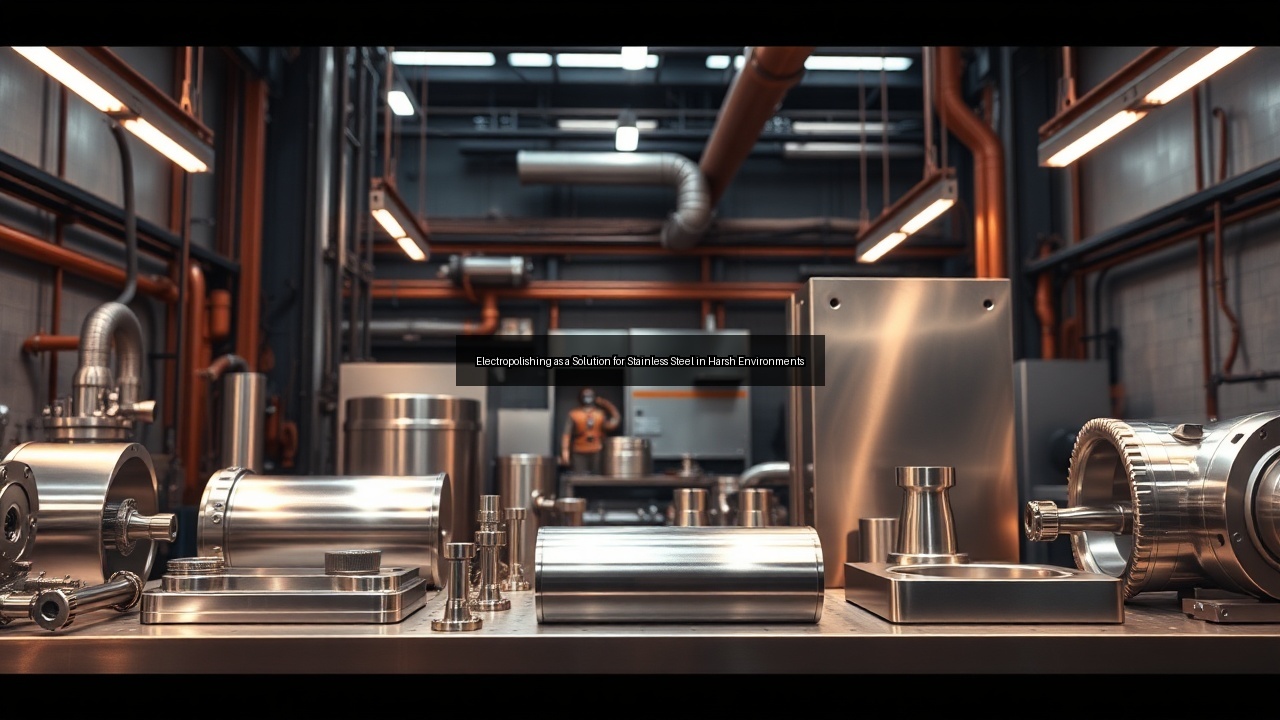
Electropolishing is an electrochemical process that enhances the surface finish of metals, particularly stainless steel. This method selectively removes material from the surface, resulting in a smoother, brighter appearance while also improving the metal's overall properties. Unlike traditional polishing techniques that rely on mechanical abrasion, electropolishing employs a controlled electrochemical reaction to dissolve surface imperfections. The process involves submerging stainless steel products in an acid electrolyte solution, where a direct current is applied. The electrical current causes the surface to lose material, leveling out rough spots and removing contaminants. This innovative approach yields surfaces that not only look better but also perform better, making electropolishing an essential service in various industries.
The Science Behind Electropolishing Process
The science of electropolishing revolves around electrochemistry. When stainless steel is immersed in an electrolyte solution, ions from the stainless steel dissolve into the solution. The electrical current causes the anode (the stainless steel) to oxidize, which leads to the removal of the top layer of the metal. Factors such as temperature, current density, and electrolyte composition play crucial roles in determining the effectiveness of the process. For stainless steels like 316L, which contain molybdenum, the electropolishing process can significantly enhance corrosion resistance. The removal of surface contaminants, such as oxides and embedded particles, exposes the pure metal underneath, facilitating a more uniform and passivated surface. This creates a protective layer that further enhances the metal's durability in harsh environments.
Benefits of Electropolishing for Stainless Steel Products
Electropolishing offers numerous benefits for stainless steel products, particularly in demanding applications. First and foremost, the process significantly improves corrosion resistance. By eliminating surface imperfections and contaminants, electropolished stainless steel can withstand harsh chemicals and extreme environments. Additionally, the smoother surface finish reduces friction, which can enhance the performance of components in mechanical systems. The aesthetic appeal of electropolished surfaces cannot be overlooked either; the shiny, reflective finish often meets stringent aesthetic standards in industries such as food processing and medical devices. Furthermore, electropolished stainless steel is easier to clean and maintain, which is crucial in environments where hygiene is paramount. Overall, electropolishing not only enhances the appearance of stainless steels but also significantly extends their lifespan and functionality.
Applications of Electropolished Stainless Steel in Harsh Environments
Role of Electropolishing in Corrosion Resistance
Corrosion poses a significant challenge in various industries, especially those involving harsh chemicals or extreme weather conditions. Electropolishing plays a critical role in enhancing the corrosion resistance of stainless steel. The process removes microscopic surface defects that can serve as initiation points for corrosion. When contaminants or rough surfaces are present, moisture and corrosive agents can penetrate more easily, leading to degradation. Electropolished stainless steel, on the other hand, presents a smooth and clean surface that minimizes these risks. The passivation layer formed during electropolishing further protects the steel by creating a barrier against oxidation. In applications such as marine environments, chemical processing, and oil and gas industries, where stainless steel components encounter aggressive substances, electropolished surfaces provide an added level of security. This increased resistance to corrosion translates into lower maintenance costs and longer service life for critical components.
Electropolishing in the Semiconductor Industry
The semiconductor industry demands materials that meet stringent purity and performance standards. Electropolishing has become a vital process for preparing stainless steel components used in semiconductor fabrication. In this high-tech environment, even minor surface impurities can lead to contamination and affect the performance of sensitive electronic devices. Electropolished stainless steel offers a clean, smooth surface that minimizes particle generation during manufacturing. This is particularly important for components such as piping, valves, and fittings, where contaminants can compromise product quality. Additionally, the enhanced corrosion resistance of electropolished stainless steel ensures that these components perform reliably in the highly controlled environments of semiconductor fabrication facilities. As the demand for advanced electronic devices continues to grow, the role of electropolishing in maintaining the integrity and performance of materials used in this industry will only increase.
Impact of Electropolished Surfaces on Engineering Performance
Engineering performance relies heavily on the material properties of components. Electropolished surfaces contribute significantly to this performance by enhancing several key attributes. First, the reduced surface roughness derived from electropolishing leads to improved wear resistance. In applications where friction plays a crucial role, such as in pumps and valves, a smoother surface can lead to less wear over time, thereby extending the life of the equipment. Additionally, the elimination of surface imperfections reduces the likelihood of stress concentration, which can lead to premature failure in mechanical components. The improved surface finish also facilitates better fluid flow in piping systems, enhancing efficiency. Furthermore, the aesthetic appeal of electropolished stainless steel can positively impact product branding and marketability, making it a preferred choice in industries where visual appeal and performance are both important. Overall, electropolishing transforms standard stainless steel products into high-performance components suitable for demanding engineering applications.
Choosing Electropolishing Services for Your Stainless Steel Needs
Selecting the Right Manufacturers for Electropolishing
Finding the right manufacturers for electropolishing stainless steel services is crucial for achieving optimal results. Consider the manufacturer's expertise and experience in the field. Established companies often have a proven track record and a portfolio showcasing successful projects. Certifications and adherence to industry standards also indicate reliability and quality. Additionally, assess the range of services offered. Some manufacturers specialize in specific applications, while others may provide comprehensive solutions that include surface treatment and finishing. Communication is key; a good manufacturer will understand your specific requirements and work with you to deliver tailored solutions. Ultimately, selecting the right electropolishing service provider can significantly impact the performance and longevity of your stainless steel products.
Factors Influencing the Quality of Electropolishing
Several factors influence the quality of electropolishing in stainless steel products. First, the composition of the electrolyte solution plays a critical role. Variations in acid concentration and temperature can lead to differences in the final surface finish. The electrical parameters, such as current density and voltage, must also be carefully controlled to ensure uniform material removal. Additionally, the initial condition of the stainless steel surface affects the outcome; surfaces that are heavily contaminated or rough may require pre-treatment. Understanding these factors allows manufacturers to optimize the electropolishing process, resulting in superior outcomes. Quality control measures, such as surface roughness testing and corrosion resistance assessments, are essential to ensure that the final product meets the required specifications. By paying attention to these details, manufacturers can consistently produce high-quality electropolished stainless steel components.
Heat Treating and Its Relationship to Electropolishing
Heat treating plays a crucial role in the overall performance of stainless steel, especially when combined with electropolishing. Heat treating involves heating stainless steel to specific temperatures to alter its mechanical properties, enhancing strength and toughness. However, this process can sometimes introduce surface irregularities or oxidation, which can affect the effectiveness of electropolishing. Properly executed heat treatment can prepare the surface for electropolishing, allowing for more efficient material removal and improved surface finish. In some cases, manufacturers may choose to electropolish before heat treating to achieve a better baseline surface. Understanding the relationship between these two processes is vital for optimizing the performance of stainless steel products. When heat treating and electropolishing are conducted in tandem, they can provide significant enhancements in both the mechanical properties and surface quality of stainless steel components.