What Every Facility Manager Should Know About Motor Repair Costs
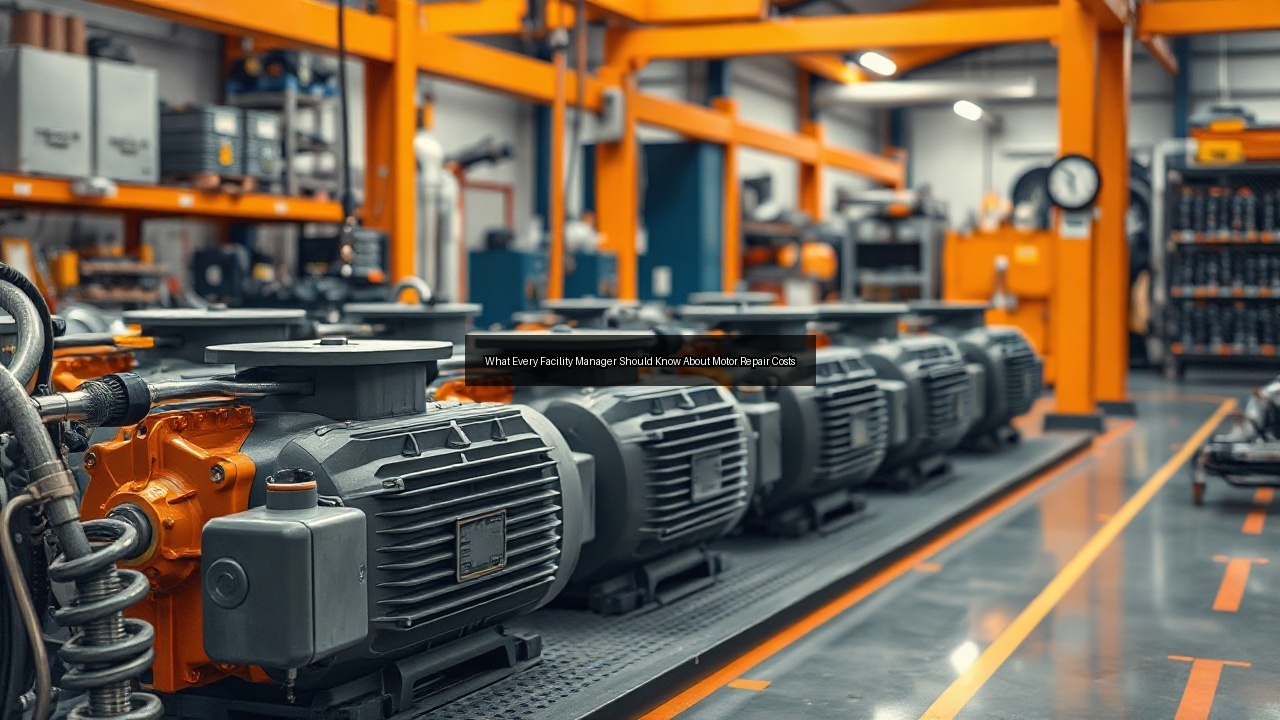
Understanding Electric Motor Repair Costs
Factors Affecting Repair Costs
Electric motor repair costs vary significantly due to several factors. The type of motor, its size, and the complexity of the failure play crucial roles in determining the price. For instance, a standard AC motor may require less intensive work and therefore incur lower costs compared to a complex variable frequency drive (VFD) motor. Additionally, the age of the motor impacts repair expenses; older motors may have outdated components that are harder to source, leading to higher costs. Labor rates in different regions also affect the overall repair price. Areas with high demand for skilled technicians often see increased labor costs. Lastly, the availability of replacement parts can either inflate or decrease repair expenses, depending on whether parts are easily accessible or require special ordering.
Common Types of Motor Failures
Understanding common motor failures helps facility managers anticipate electric motor repair costs. One prevalent issue involves winding failures, often caused by insulation breakdown due to overheating or voltage spikes. Another frequent failure is bearing wear, which can result in increased friction and eventual rotor damage. Contamination, such as dust and moisture, significantly contributes to motor failure. electric motor repair services When contaminants infiltrate the motor, they can damage internal components, leading to costly repairs. Furthermore, electrical issues like phase imbalance and overload can lead to motor burnout, requiring extensive repairs or even complete motor replacement. By recognizing these typical failures, facility managers can better prepare their budgets for potential repair costs.
Average Cost Breakdown for Repairs
On average, electric motor repair costs range from $200 to $2,000, depending on the factors mentioned earlier. Basic repairs, such as bearing replacement or cleaning, usually fall at the lower end of this spectrum. More extensive repairs, including rewinding the stator or rotor, can elevate costs significantly. For instance, rewinding a motor can cost between $500 and $1,500, depending on the motor's size and design complexity. Additionally, labor costs can add another $100 to $300. Facility managers should also consider the cost of preventive measures, such as regular maintenance, which can save significant money by extending the lifespan of motors and reducing the need for repairs. Overall, having a clear understanding of these costs helps in effective budgeting and financial planning for motor maintenance.
The Role of Maintenance in Reducing Costs
Importance of Predictive Maintenance
Predictive maintenance plays a pivotal role in minimizing electric motor repair costs. This proactive strategy involves using data and sensors to monitor motor performance continuously. By analyzing vibrations, temperature, and electrical current, facility managers can identify potential failures before they escalate into costly repairs. Implementing a predictive maintenance program can significantly reduce downtime, as it allows for timely interventions when issues arise. Instead of waiting for a motor to fail, managers can schedule repairs during non-operational hours, thereby maintaining productivity. Investing in predictive maintenance technologies, such as infrared sensors and vibration analysis tools, enhances operational efficiency and reduces overall costs. This approach not only prolongs motor lifespan but also optimizes energy efficiency, leading to substantial savings over time.
Impact of Regular Inspections on Costs
Regular inspections serve as a cornerstone of effective maintenance strategies, directly impacting electric motor repair costs. Routine checks can identify early signs of wear and tear, allowing for timely repairs that prevent larger issues. Facility managers should establish an inspection schedule based on the motor's usage level and operational environment. Motors operating in harsh conditions, such as those exposed to dust or moisture, require more frequent inspections. Inspections often involve checking for loose connections, abnormal vibrations, and overheating, all of which can indicate impending failures. By addressing these issues promptly, managers can avoid unexpected breakdowns and costly emergency repairs. The initial investment in regular inspections pays off by extending motor life and enhancing overall operational efficiency.
Using Infrared Sensors for Early Detection
Infrared sensors offer advanced capabilities for early detection of potential motor issues, making them invaluable tools for facility managers. These sensors measure the temperature of motor components, identifying overheating that could indicate electrical or mechanical problems. Early detection via infrared technology allows for corrective action before a failure occurs, thus reducing repair costs significantly. Integrating infrared sensors into a maintenance strategy enhances predictive maintenance efforts. They provide real-time data that helps managers make informed decisions about when to perform repairs or replacements. While incorporating infrared technology may require upfront investment, the long-term savings from minimizing unexpected downtime and repair costs outweigh these initial expenses.
Choosing the Right Repair Services
Evaluating Repair Services and Warranties
Choosing the right repair service is critical for managing electric motor repair costs effectively. Facility managers should evaluate potential service providers based on their experience, reputation, and the range of services offered. Look for companies that specialize in electric motor repair, as they will have the necessary expertise to diagnose and fix issues accurately. Additionally, a reliable service provider will offer warranties on their repairs, ensuring that any future problems are addressed without additional costs. Understanding the warranty terms is essential; some warranties cover only parts, while others may include labor. A solid warranty not only provides peace of mind but also represents a commitment to quality service. Taking the time to research and select a reputable repair service can lead to significant savings in the long run.
Understanding the Value of VPI and Varnish Treatments
Varnish and VPI (Vapor Phase Inhibitor) treatments represent valuable enhancements for electric motor maintenance that can extend motor life and reduce repair costs. Varnish treatments help mitigate contamination within the motor, protecting vital components from wear and tear. These treatments form a protective layer that prevents moisture and dust from penetrating the motor, significantly reducing the risk of failure. VPI treatments further enhance this protection by providing a barrier against corrosion and oxidation. While the upfront costs for these treatments may seem high, the long-term benefits in terms of fewer repairs and extended motor lifespan make them a worthy investment. Facility managers should consider incorporating these treatments into their maintenance schedules to optimize efficiency and minimize costs.
Budgeting for Electric Motor Repairs
Effective budgeting for electric motor repairs requires a proactive approach. Facility managers should create a detailed budget that accounts for both routine maintenance and potential repairs. Start by analyzing past repair costs and identifying trends related to specific motors. Allocate funds for regular inspections and predictive maintenance to catch issues early. Set aside an emergency fund for unexpected repairs, ensuring that operational disruptions remain minimal. Managers should also consider the total cost of ownership, which includes not just repair costs but also energy consumption and efficiency. By taking a comprehensive approach to budgeting, facility managers can effectively manage electric motor repair costs and maintain operational efficiency.
Enhancing Efficiency to Lower Future Costs
Improving Energy Efficiency in Motors
Improving energy efficiency in electric motors not only reduces operational costs but also minimizes the frequency of repairs. Energy-efficient motors consume less power, which translates to lower electricity bills. Upgrading to high-efficiency models or retrofitting existing motors can lead to significant savings over time. Facility managers should consider implementing variable frequency drives (VFDs) to optimize motor performance based on load requirements. VFDs help regulate the voltage and current supplied to the motor, reducing energy waste and wear, ultimately extending the motor's lifespan. Investing in energy-efficient solutions pays off in lower operational costs and reduced repair frequency, making it a smart choice for any facility.
The Cost of Contamination and Its Effects
Contamination significantly impacts electric motor repair costs and overall efficiency. Dust, moisture, and other contaminants can infiltrate motor components, leading to premature failures and increased repair expenses. Contaminated motors experience reduced performance and higher energy consumption, which can escalate operational costs. To mitigate these risks, facility managers should implement effective sealing solutions and ensure proper ventilation in motor environments. Regular cleaning and inspections can also help identify contamination issues before they escalate. By addressing contamination proactively, managers can maintain motor efficiency and reduce the likelihood of costly repairs.
Stator and Rotor Maintenance for Longevity
Proper maintenance of stators and rotors is crucial for the longevity of electric motors. The stator, which generates the magnetic field, and the rotor, which produces mechanical movement, are integral to motor functionality. Regular inspections should focus on checking insulation integrity, bearing condition, and alignment. Over time, wear on these components can lead to significant failures, resulting in expensive repairs. Implementing a maintenance schedule that includes cleaning, lubrication, and timely repairs can help extend the lifespan of both stators and rotors. By prioritizing maintenance, facility managers can enhance motor performance, reduce energy costs, and minimize electric motor repair costs.